

Western Farmers Electric Cooperative has started a project that will ensure the long-term future of its Hugo power plant in southeast Oklahoma. Anadarko-based cooperative is adding a 404 MW natural gas-fueled generation project at the Hugo Plant site in NW. The company explained the project is intended to meet WFEC’s current projected load growth and planning reserve margin requirements within the Southwest Power Pool and will take nearly two years.
Sondra Boykin, Communication Coordinator with WFEC said the planning, engineering, fuel supply and much of the contracting was completed in 2025 with a scheduled 2029 commercial operation date.
“The project includes a large investment by WFEC in a 43-mile, large-diameter natural gas pipeline, bringing fuel to the site by the third quarter of 2028,” she said in an email response to an OK Energy Today inquiry. Construction is expected to begin later this year or in early 2027 with completion in 2029.
During 2025, air permits were filed for the project, an Engineering, Procurement, and Construction (EPC) contractor was selected and major equipment was ordered. Once complete, it will have the capability to deliver natural gas needed for the long-term future of the Hugo Plant.
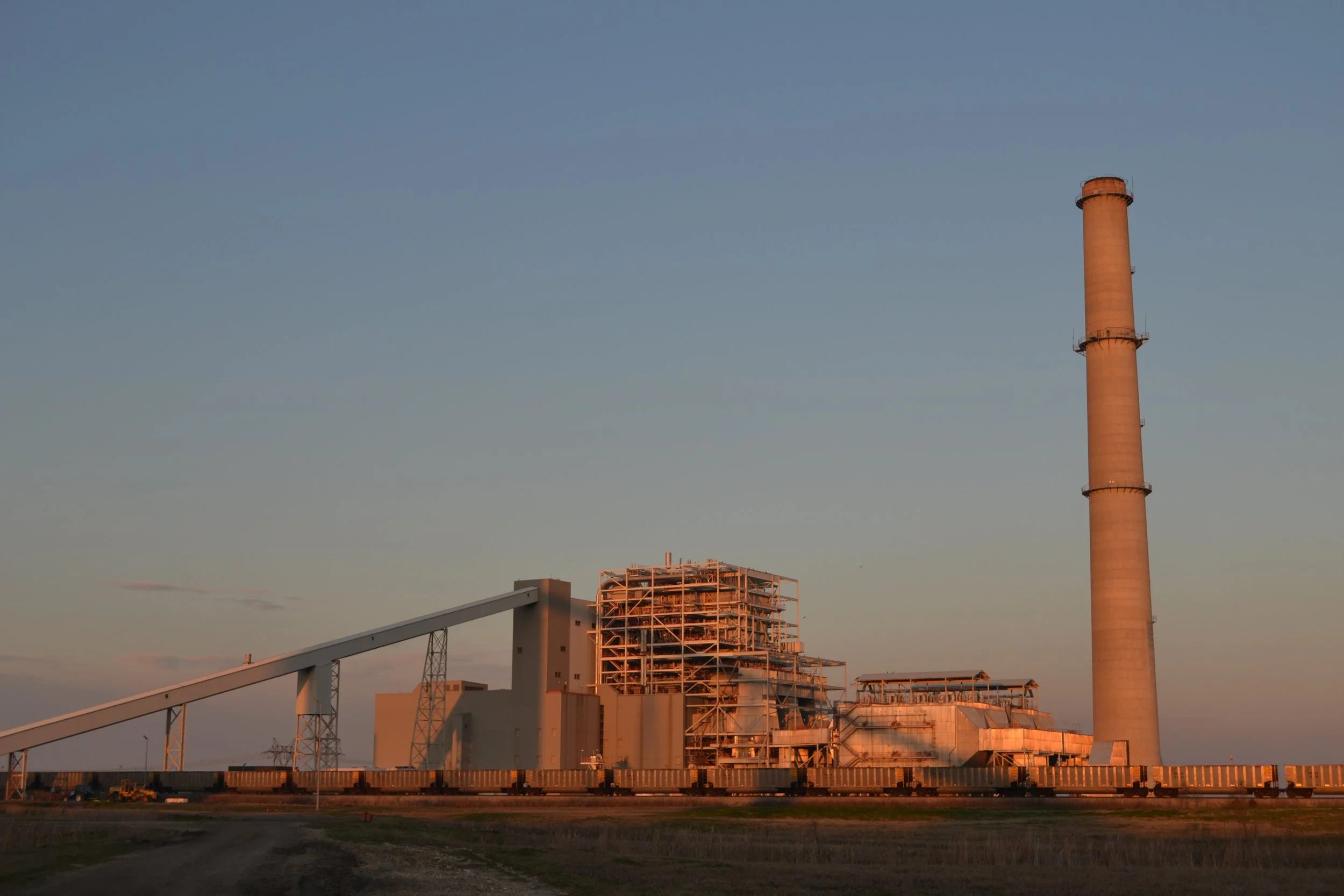
The Anadarko-based G&T has seven generating facilities, located at Mooreland, Anadarko and Hugo, Oklahoma, and Lovington, New Mexico, with a total power capacity of some 2,500 megawatts, including hydropower allocation and other contract power purchases.
WFEC continually evaluates capacity needs, while focusing on both the present and future power requirements of its members, and is properly positioned to maintain a reliable supply of electricity well into the future.
WFEC underwent a learning curve for much of 2015-2016, as energy markets rapidly matured as the Southwest Power Pool (SPP) experienced the first full year of the utilization of its Integrated Market (IM). This market expansion was the most complex incremental step in SPP’s evolutionary approach to adding market functionality.
The cooperative said the changes have been beneficial; however, they challenge all utilities to create flexible strategies with their generating resources. Units that were once base-loaded coal generators on most days are often at a minimum load, displaced by less expensive natural gas and renewable energy that has minimal cost, due to tax credits. Even though there were operational challenges at the beginning of the market implementation, “bumps” have been worked out.
WFEC supplies the electrical needs of more than two-thirds of the geographical region of Oklahoma and Part of New Mexico as well as small portions of Texas and Kansas.

